
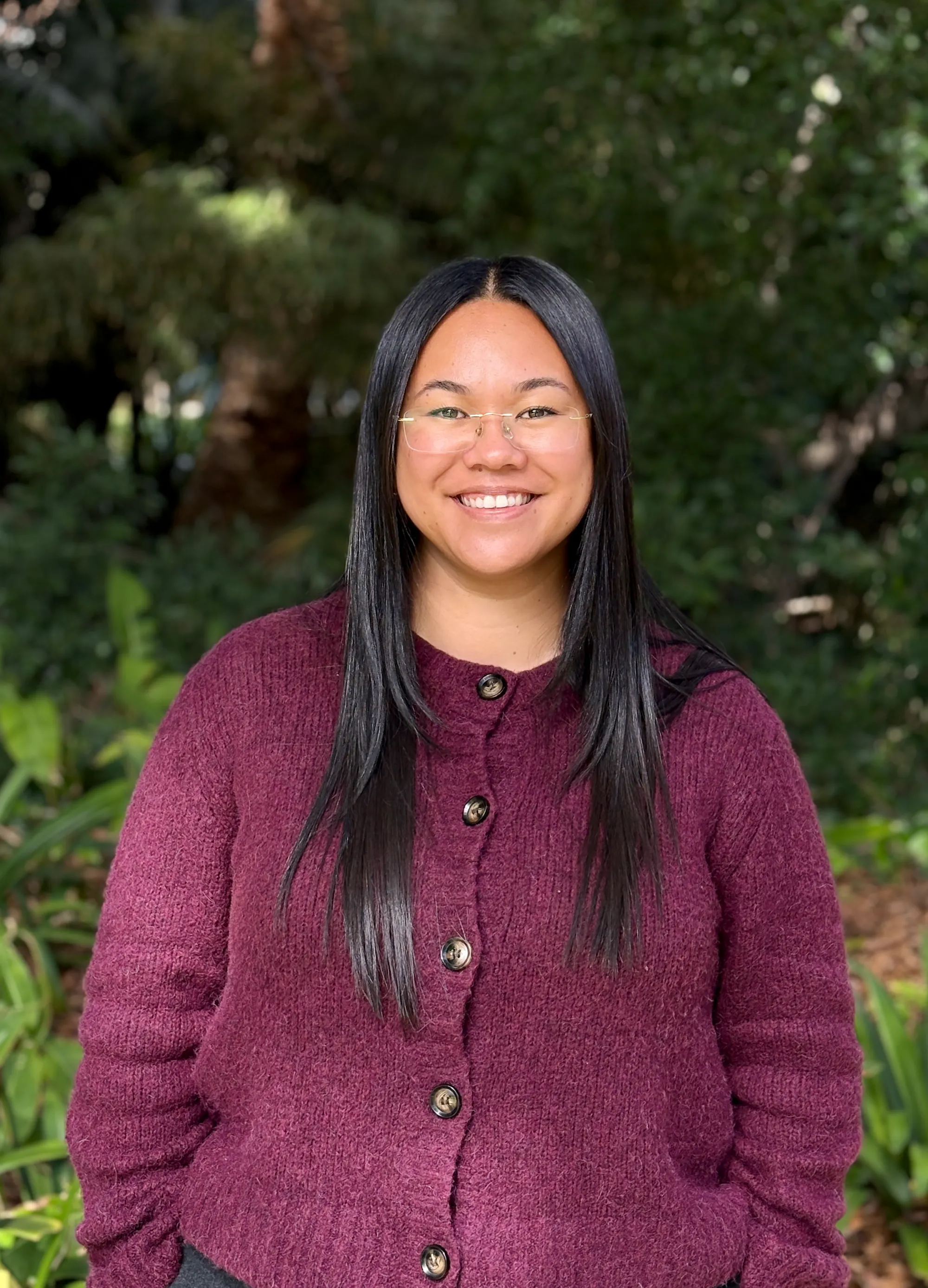
Keighlee Burkhardt – UWA Bachelor of Arts (Political Science and International Relations) student and McCusker Centre for Citizenship Intern at the WA Centre for Rural Health (WACRH) in Geraldton.
Keighlee Burkhardt’s McCusker Centre for Citizenship internship has led to recognition beyond the placement itself, with her work recently awarded the WA Centre for Rural Health – Rural Health West Student Research Award.
Her internship placed her within an international research project examining the experiences of allied health students and early‑career professionals working in rural and remote areas of Western Australia and Scotland. The project brought together researchers from the WA Centre for Rural Health of The University of Western Australia, Robert Gordon University and the UK National Health Service.
Keighlee’s role involved contributing across several stages of the research process. She worked on literature reviews, helped respond to ethics feedback, supported the development of research resources, and contributed to collaboration with international partners. She also presented findings to the broader research team, gaining experience communicating complex ideas in a professional setting.
“I decided to apply for an internship with the McCusker Centre because I thought it would be a great opportunity to apply the theoretical and practical skills I had developed through my degree in a professional environment,” she said.
Joining the project at a critical stage meant quickly understanding both the research topic and the project requirements. Early in her placement, the team was responding to ethics feedback, requiring immediate input and adjustments.
Her internship supervisor, WACRH Senior Lecturer Kathryn Fitzgerald, said Keighlee adapted quickly and contributed beyond expectations.
“She was able to suggest new ideas and follow through with implementation without direct supervision,” she said. “She got up to speed with the project very quickly and helped the research group move to the next stage.”
Keighlee also took on a leadership role within a small team of interns, supporting others and helping coordinate tasks. Her work focused not only on completing assigned tasks but also improving how the project operated.
“We were impressed by her solutions‑focused approach to improving processes,” Kathryn said.
The research itself addresses a broader issue — ongoing workforce shortages in rural and remote communities. Understanding the experiences of students and early‑career professionals is an important step in developing strategies to improve retention and access to healthcare.
“This project will contribute to developing more effective solutions to address the challenges faced by rural and remote communities,” Keighlee said.
Working in Geraldton during the placement also gave her a clearer perspective on the context behind the research.
“This internship opened my eyes to the severity of existing health inequities between metropolitan residents and those living in rural and remote communities,” she said.
The experience has influenced her career direction, linking her interests in policy, research and community outcomes.
“This opportunity allowed me to apply my research skills to a meaningful project that has the potential to change the lives of residents living in regional, rural and remote areas of WA,” she said.
Receiving the Student Research Award reflects both her contribution and the impact of the work.
For Keighlee, the internship offered more than professional experience. It provided a clearer understanding of how research, policy and collaboration come together to address complex issues — and where she sees herself contributing in the future.
She encourages other students to consider a similar opportunity.
“You gain so much more than just professional experience,” she said. “You develop practical skills, build meaningful relationships, and understand how your studies can contribute to the broader community.”