
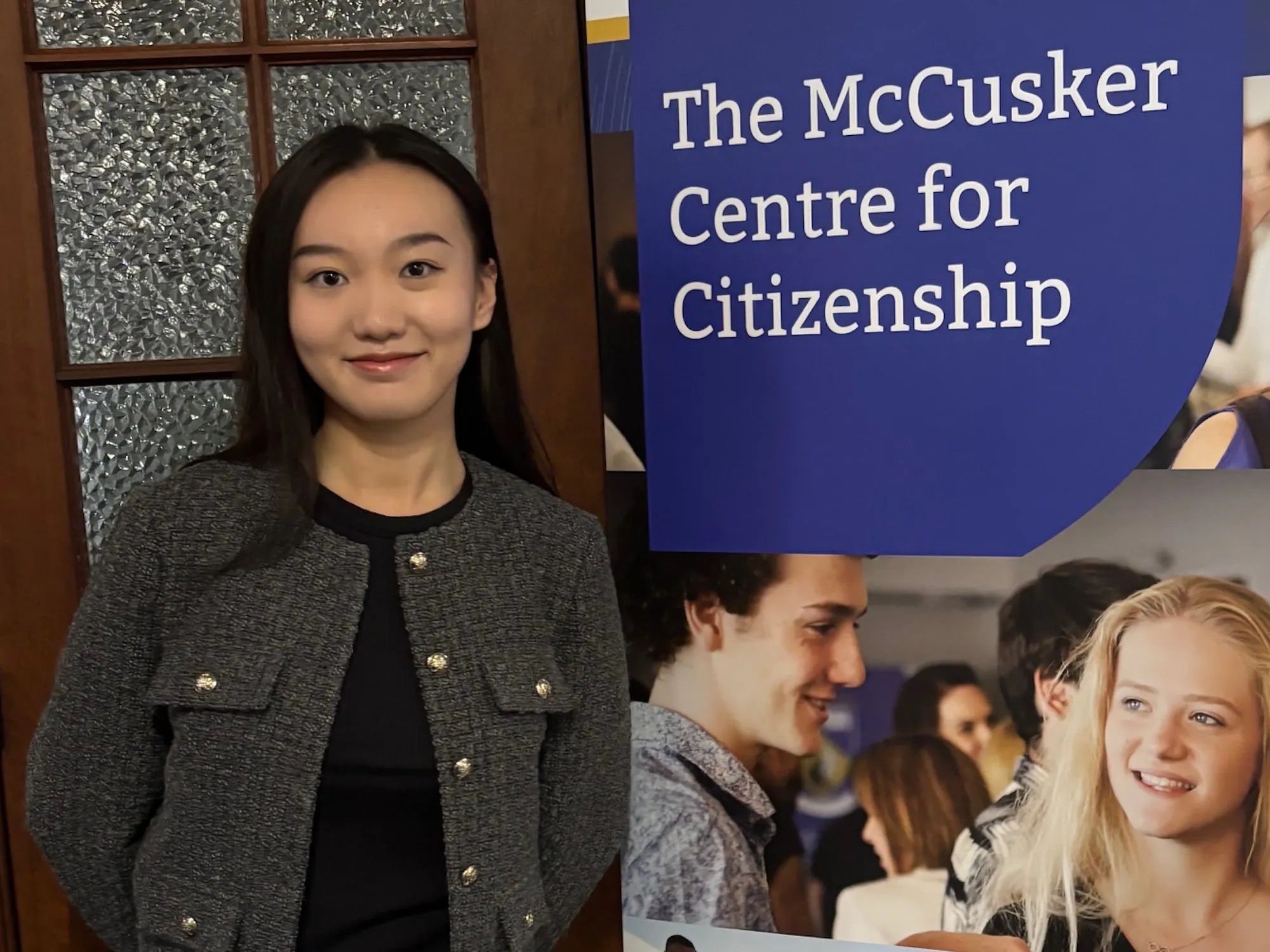
Marna Jiang – Master of Public Health
Creative Communications Intern, Hospitality Disability Network WA
For Marna Jiang, a public health student, communication became a practical way to improve access to employment.
During her internship with Hospitality Disability Network WA (HDNWA), Marna moved beyond theory to support an organisation working to create employment opportunities for people with disability in the hospitality and tourism industries. Through training programs, employer partnerships and advocacy, HDNWA helps build more inclusive workplaces and expand pathways into work.
“I wanted to gain practical experience and understand how the skills I had developed through my studies could be applied to real-world community challenges and make a meaningful impact,” she said.
Her work focused on strengthening how HDNWA communicates with the community. Marna helped develop a 12‑month marketing calendar, created social media content, reviewed organisational materials, and analysed performance across platforms to improve engagement. She also contributed to the development of internal resources, including a branding and style guide that now provides clearer direction for future communications.
One of her most significant contributions was supporting the “A Place at the Table” campaign, which promotes inclusion and employment opportunities for people with disability. Marna helped shape the campaign’s messaging and content, ensuring it reflected the organisation’s purpose in a clear and accessible way.
“The most rewarding part of my internship was seeing the campaign and program materials I helped create being shared publicly,” she said. “Knowing that my work could help raise awareness about disability inclusion and contribute to creating more inclusive workplaces was incredibly meaningful.”
Her supervisor, Managing Director Marnie Howell, said Marna’s contribution extended beyond the expected scope of the role.
“She consistently looked for opportunities to strengthen the organisation’s communications, branding and community engagement in meaningful and sustainable ways,” she said.
Marna also supported the development of a training booklet for employment pathways, contributing to its design and accessibility. This resource will be used to help people with disability prepare for work in hospitality and tourism, with benefits extending to families, employers and the wider community.
The impact of her work lies in how information is shared and understood. Clear, consistent and accessible communication helps challenge misconceptions, improves engagement with employers, and supports more inclusive hiring practices. In this way, Marna’s contribution supports broader efforts to reduce barriers to employment and increase participation.
The experience also challenged her to rethink how communication should be approached.
“One of the biggest challenges was learning how to approach communication, design, and content creation in a way that was genuinely inclusive and accessible,” she said.
This shift gave her a new perspective on the role of communication in public health, particularly in creating change at a community level.
“The internship highlighted the barriers that many people with disability still face when seeking employment,” she said. “It also showed me the importance of representation, accessibility, and inclusive practices.”
Through the placement, Marna strengthened her skills in project management, stakeholder engagement and health promotion, while gaining a clearer understanding of how advocacy and communication can support community wellbeing.
She encourages other students to consider a McCusker internship to connect their studies with real impact.
“It allows you to develop professional skills, build confidence, expand your networks, and gain a better understanding of how your studies can translate into meaningful impact beyond the classroom,” she said.